PRE-LOVED ★ RELOVED ★ REPEAT ★ SELL YOUR WARDROBE ★ FIND YOUR NEXT FAVOURITE ★ PRE-LOVED ★ RELOVED ★ REPEAT ★ SELL YOUR WARDROBE ★ FIND YOUR NEXT FAVOURITE ★ PRE-LOVED ★ RELOVED ★ REPEAT ★ SELL YOUR WARDROBE ★ FIND YOUR NEXT FAVOURITE ★ PRE-LOVED ★ RELOVED ★ REPEAT ★ SELL YOUR WARDROBE ★ FIND YOUR NEXT FAVOURITE ★ PRE-LOVED ★ RELOVED ★ REPEAT ★ SELL YOUR WARDROBE ★ FIND YOUR NEXT FAVOURITE ★ PRE-LOVED ★ RELOVED ★ REPEAT ★ SELL YOUR WARDROBE ★ FIND YOUR NEXT FAVOURITE ★
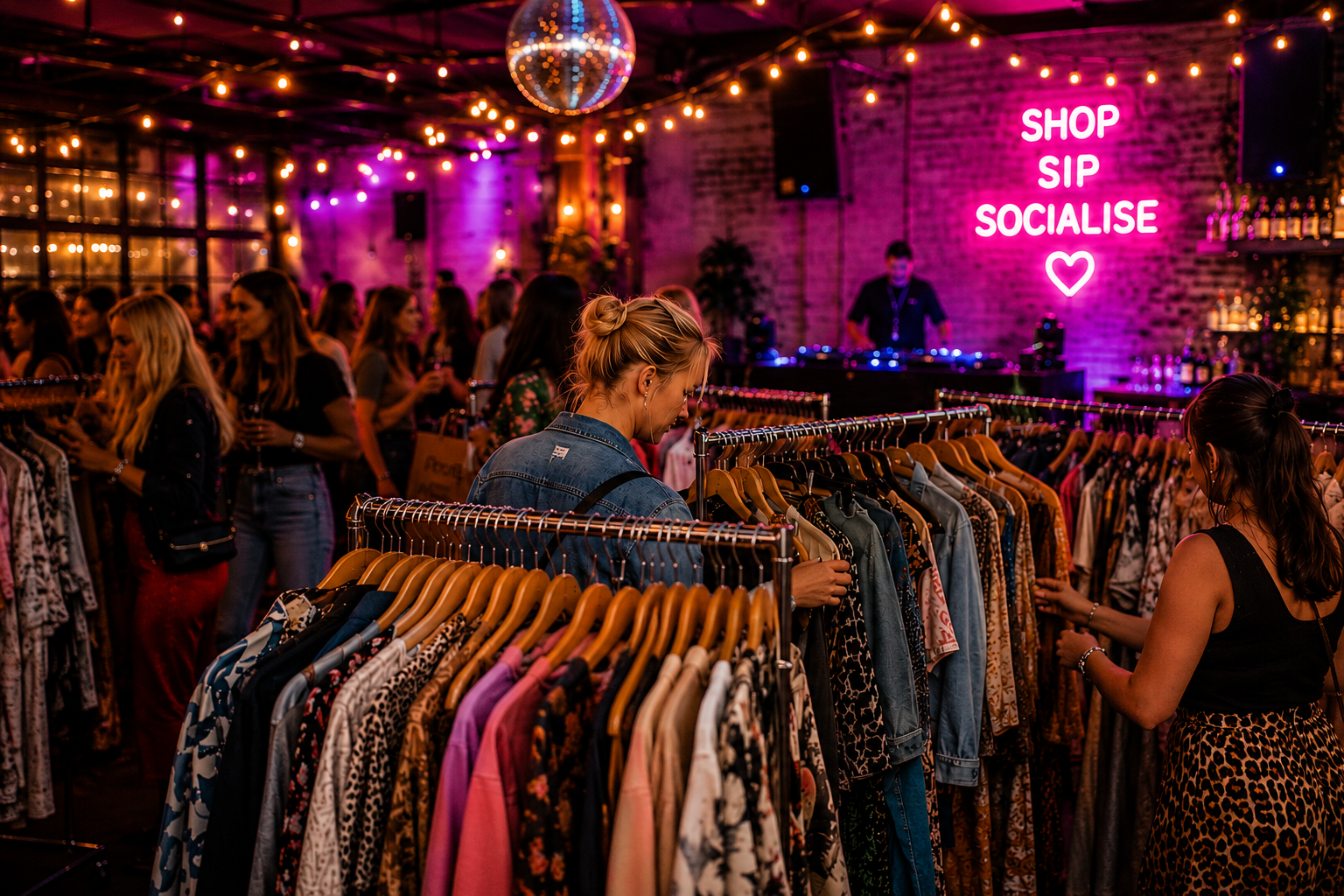
REPEAT CHIC / SELLER SETUP
HOW TO SELL YOUR PRE-LOVED CLOTHES AT A FASHION MARKET
Clear your wardrobe. Make some money. Meet people who love clothes as much as you do.
Your wardrobe could be someone else’s next favourite find. Here’s how to turn the clothes you’re no longer wearing into cash, clear some space and have a lovely day out while you’re at it.
We’ve all got them. The jeans that never quite fitted. The dress bought for an occasion that never happened. The jacket you absolutely loved in the shop but have worn precisely twice.
And then there’s the wardrobe full of things you might wear again. One day. Possibly.
Selling your pre-loved clothes is a brilliant way to give them another life, but photographing everything, writing descriptions, answering messages and packing parcels can become a job in itself.
There’s another way: selling your clothes face to face at a pre-loved fashion market.
No endless parcel runs, no waiting for strangers to reply and no need to photograph every last cardigan. Just you, your clothes and people who might fall in love with them.
If you’ve never sold at a clothing market before, here’s everything you need to know.
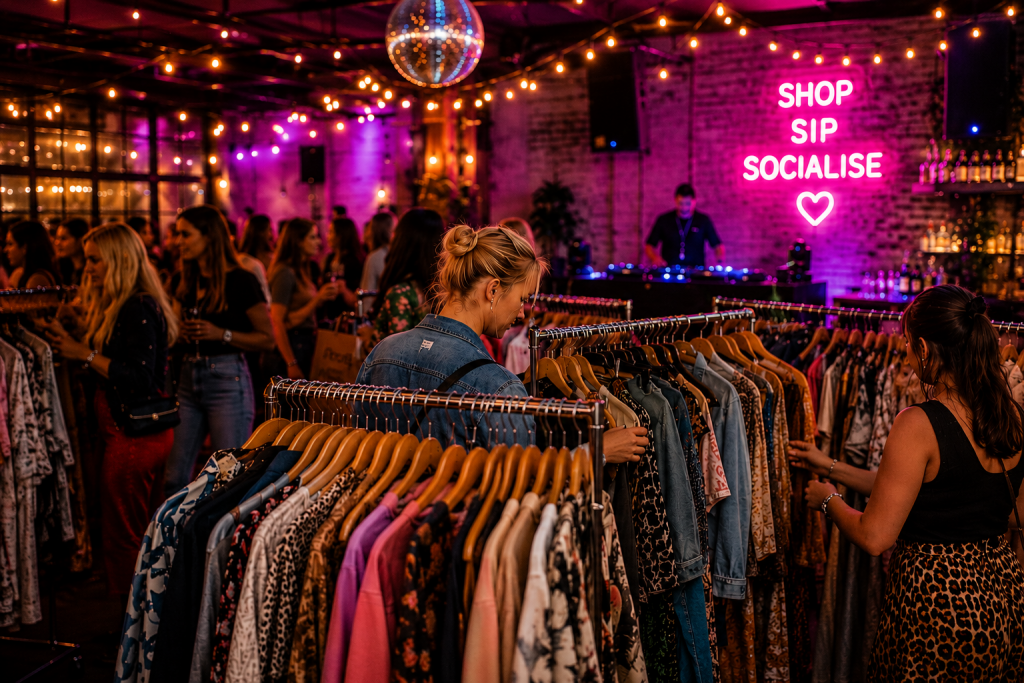
1. Start with a proper wardrobe edit
Before thinking about prices or clothes rails, it’s time to find out what you’ve actually got.
Go through your wardrobe, drawers and those mysterious bags at the back of the cupboard.
The wardrobe edit: ask yourself
- Have I worn this in the past year?
- Does it fit me comfortably?
- Would I choose to buy it again today?
- Is it in good enough condition for someone else to enjoy?
- Am I keeping it because I love it, or because I feel guilty about getting rid of it?
Make three piles: keep, sell and donate or recycle.
Be realistic. Clothes that are clean, wearable and in good condition have a much better chance of finding a new home.
And don’t assume something won’t sell just because you don’t love it any more. Your forgotten leopard-print blouse could be precisely what somebody else is hunting for.
2. Choose what to sell
You don’t need a wardrobe full of designer labels to have a successful market stall.
Good-quality high-street clothing, vintage pieces, occasionwear, jackets, accessories and everyday favourites can all appeal to secondhand shoppers.
Look for clothes that are:
– Clean, fresh and in wearable condition.
– Free from obvious stains, damage or missing fastenings, unless faults are clearly disclosed.
– Suitable for the event’s permitted categories.
– Presented in a way that makes them easy to browse.
Try to offer some variety in styles, sizes and prices.
Condition matters more than whether something is currently fashionable. A beautifully kept older piece can be far more appealing than something newer that’s seen better days.
3. How to price your secondhand clothes
Ah, pricing. The part where we all remember exactly how much we originally paid for something and struggle to accept that it’s no longer worth that.
The key is to price for the person buying it today, not for the person who bought it brand new.
Consider the original brand, age, condition, desirability and what similar pieces are selling for.
Example starting prices
These are illustrative prices for ordinary pre-loved high-street clothing, not guaranteed selling values.
| Item | Example asking price |
| Basic T-shirt or top | £3–£8 |
| Blouse or shirt | £5–£12 |
| Jeans or trousers | £6–£18 |
| Casual dress | £8–£20 |
| Jumper or cardigan | £5–£15 |
| Jacket or coat | £12–£35 |
| Quality vintage or designer piece | Research individually |
A desirable designer coat may be worth considerably more than £35, while an older basic top might be better priced at a couple of pounds.
Check comparable secondhand prices before deciding, preferably looking at items that have actually sold rather than ambitious asking prices.
Our tip: Put clear prices on your clothes. Buyers are more likely to browse confidently when they know what things cost.
And be prepared for a little friendly negotiation. You can decide what your lowest acceptable price is beforehand.
4. Make your clothes look their best
You don’t need to turn your living room into a professional laundry before the event, but presentation makes a difference.
Wash or freshen garments where appropriate, check for marks and give creased items an iron or steam.
Fasten buttons and zips, remove obvious fluff and pet hair, and make sure everything smells clean and neutral.
Avoid heavy perfume or fabric sprays. Not everyone enjoys the same scents, and some people are sensitive to fragrances.
Hang your best pieces on decent hangers, fold knitwear neatly and group similar garments together.
A little effort makes your stall look inviting and helps people see the clothes at their best. For more inspiration, explore our 10 market stall display ideas for clothing sellers.
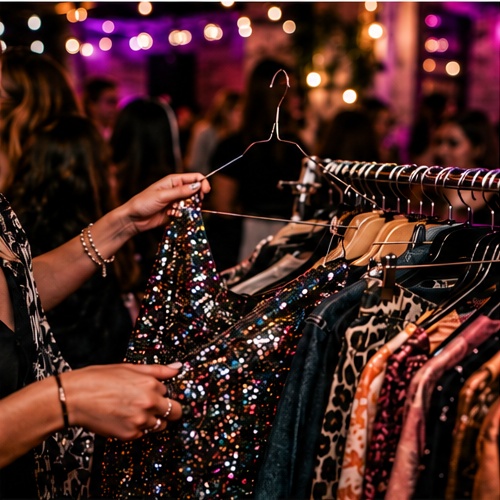
5. Create an attractive market stall
You don’t need expensive shop fittings or an elaborate display.
A well-organised stall can look fantastic with a simple clothes rail, a table and a few thoughtful touches.
- Group clothes by type or size, so people can find what they want.
- Use a sturdy clothes rail suitable for the weight and space.
- Create a clearly labelled £3 or £5 bargain area.
- Bring a mirror if space permits.
- Keep accessories visible.
- Use clear signs with prices and sizes.
- Avoid overcrowding your rail.
Think of your stall as a tiny boutique rather than a wardrobe explosion.
You want people to enjoy looking through your clothes, not feel as though they’re tackling an archaeological dig.
6. What to bring on the day
A little preparation makes a market day much more enjoyable.
YOUR CLOTHING MARKET CHECKLIST
☐ Clean, prepared clothes
☐Clothes rail and hangers, if required
☐Table covering or display accessories, if permitted
☐Clear price tags and signage
☐Small mirror, if allowed
☐Bags for customers’ purchases
☐Cash float with small change
☐Mobile phone and portable charger
☐Card reader or another suitable payment method, if you use one
☐Pen, tape and spare labels
☐Water and something to eat
☐Comfortable shoes
☐A way to transport your stock safely
Before attending an event, check what the organiser supplies. Some markets include tables, rails or other equipment, while others expect sellers to bring their own.
Check loading arrangements, arrival times, available space and any restrictions on what can be sold.
7. Make it easy for people to buy
The best market stalls feel welcoming and relaxed.
Say hello, make eye contact and let people browse without pressure.
Some shoppers love a chat. Others prefer to look quietly before asking a question.
Be ready to answer questions about sizes, fit, condition and prices, but don’t feel you need to deliver a sales pitch every time somebody picks up a jacket.
If an item has a fault, mention it. Being open about condition helps buyers make informed decisions.
And if someone tells you they’re buying your old party dress for a wedding, or recognises a jacket they once owned, enjoy the conversation.
That’s part of what makes shopping secondhand in person special.
8. Should you offer discounts?
There’s no rule that says you have to reduce your prices.
A little flexibility can help, particularly if somebody wants several items.
Consider three selected tops for £10, a small multi-buy discount, or end-of-event reductions on selected stock.
Make sure any deal still leaves you happy with what you’re receiving. Don’t feel pressured into accepting an offer simply because someone asks.
You can always take an unsold item home and try again another time.
9. What if you don’t sell everything?
You probably won’t. And that’s perfectly normal.
Fashion is personal. What one person walks straight past might be exactly what somebody else is looking for at the next event.
Afterwards, think about which items attracted attention, which prices worked and whether your display could be improved.
Try another pre-loved market, donate selected items or revisit your prices.
Selling secondhand isn’t only about making money. It’s also about keeping good clothes in circulation and making more thoughtful use of what we already own.
10. Why sell at a pre-loved fashion market instead of online?
Online resale platforms can be useful, but selling in person offers a different experience.
You can bring clothes together without creating individual listings, show items directly to buyers and avoid packing and posting every purchase.
Shoppers can inspect condition, see colours properly and ask questions before buying.
And then there’s the social side.
Instead of another evening measuring trouser legs and replying to messages, you get to meet people, talk fashion and enjoy the atmosphere of a real event.
There may still be a stall fee and preparation involved, and sales are never guaranteed. But for many people, the experience itself is part of the appeal.
Ready to give your wardrobe another life?
At Repeat Chic, we believe great clothes deserve more than one outing, and that shopping secondhand should be something to look forward to.
We’re creating pre-loved fashion events in the Southend-on-Sea area, bringing together people who love clothes, enjoy finding something different and appreciate a proper face-to-face shopping experience.
Whether you’ve got a wardrobe ready for its next chapter or simply fancy discovering somebody else’s treasures, we’d love you to be part of it.
READY TO SELL?
GIVE YOUR WARDROBE ANOTHER LIFE.
Join the Repeat Chic community and be first to hear about future selling opportunities in Southend-on-Sea.
And if you’re not quite ready to part with that dress you’ve been keeping since 2014?
We understand. Some relationships take time.